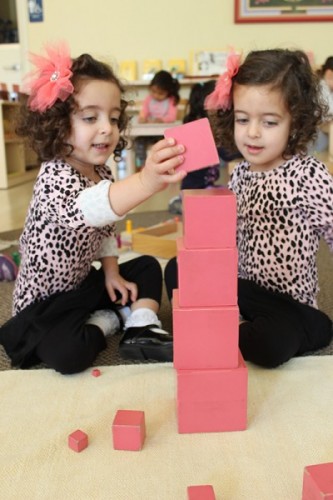
Montessori education offers a unique and highly effective approach to early childhood education, emphasizing individualized learning and hands-on experiences. The Montessori curriculum for toddlers is particularly well-suited for fostering a lifelong love of learning by addressing the unique needs and developmental stages of young children. This article delves into the key aspects of customized learning within the Montessori framework, highlighting how it can benefit toddlers in their formative years.
Principles of Montessori Education
The Montessori method is grounded in the belief that children are naturally curious and capable learners. The approach is centered around:
- Child-led activities that allow toddlers to explore at their own pace.
- Prepared environments that are safe, engaging, and tailored to meet the needs of each child.
- Multi-age classrooms that encourage social development and peer learning.
By embracing these principles, Montessori educators create a nurturing environment where toddlers can thrive. Discover expert strategies here to implement these educational principles effectively.
Customized Learning for Toddlers
Personalized Learning Plans
One of the hallmarks of the Montessori approach is the development of personalized learning plans that cater to the individual interests and abilities of each child. These plans are designed to:
- Encourage self-directed learning and autonomy.
- Focus on the child?s unique strengths and areas for growth.
- Incorporate hands-on activities that align with the child?s developmental needs.
Educators and parents can learn about our tailored solutions to support personalized learning in their classrooms and homes.
The Role of the Educator
In a Montessori setting, the educator acts as a guide and facilitator rather than a traditional instructor. Their role includes:
- Observing each child to understand their learning style and interests.
- Providing appropriate materials and activities to promote exploration.
- Encouraging independence while offering support when needed.
This approach ensures that toddlers receive the guidance necessary to develop critical thinking skills and confidence. Explore advanced guides and tips for educators to enhance their facilitation techniques.
Benefits of Customized Learning in Montessori
The customized learning approach of Montessori education offers numerous benefits, including:
- Fostering a love of learning through engaging, child-centered activities.
- Developing social skills through interaction with peers in a collaborative environment.
- Building confidence and self-esteem by allowing toddlers to achieve success independently.
Parents and educators can find out more about this approach to observe these benefits firsthand.
Conclusion
The Montessori curriculum’s focus on customized learning sets the stage for toddlers to become confident, independent learners with a genuine enthusiasm for education. By tailoring the learning experience to the unique needs of each child, Montessori education provides a solid foundation for lifelong learning. For those interested in implementing Montessori principles, exploring various resources and strategies can offer invaluable insights into creating a supportive and enriching environment for young learners. A great starting point is to explore advanced guides and tips to better understand how this approach can be effectively integrated.