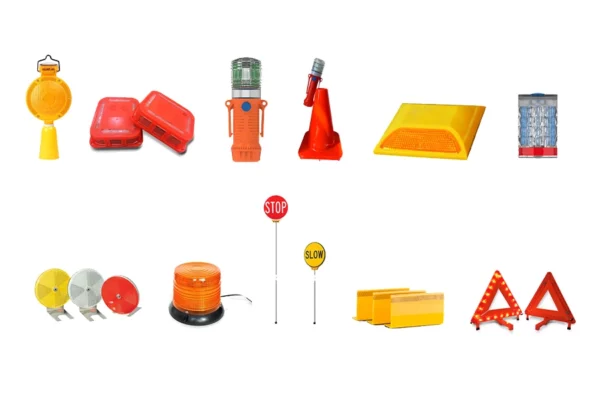
Selecting the appropriate LED warning lights for vehicles is crucial for safety and compliance. These lights not only enhance visibility in hazardous conditions but also ensure that a vehicle is easily noticeable to other road users. With various options available in the market, it is essential to understand the key factors that influence the choice of LED warning lights for different types of vehicles. This article provides a comprehensive guide on how to make an informed decision when choosing LED warning lights.
Understanding the Purpose and Requirements
Before purchasing LED warning lights, it is important to clearly define their purpose. Whether for construction vehicles, emergency services, or personal use, different applications have specific needs. Consider the following factors:
- Functionality: Determine if the lights will be used for signaling, highlighting, or both.
- Visibility: Ensure that the lights are visible from a significant distance and in various weather conditions.
- Durability: Choose lights that are resistant to water, dust, and impact for longevity.
Compliance with Regulations
Different regions and industries may have specific regulations regarding the use of LED warning lights. It is important to:
- Verify local laws and standards to ensure compliance.
- Select lights with appropriate certifications and approvals.
Ensuring compliance not only avoids legal issues but also guarantees the lights meet safety standards.
Types of LED Warning Lights
LED warning lights come in various forms, each suited for different applications. Some popular types include:
- Beacons: Ideal for 360-degree visibility, commonly used on construction and utility vehicles.
- Light Bars: Provide a wide spread of light, suitable for emergency vehicles.
- Strobe Lights: Used for high-intensity flashes, effective in demanding environments.
Color and Pattern Options
The color and flash patterns of LED warning lights significantly impact their effectiveness. Considerations include:
- Color: Red, amber, and blue are standard colors, each with specific uses and legal implications.
- Patterns: Options range from steady burn to various flash sequences, selectable based on urgency and visibility needs.
Installation and Maintenance Considerations
Proper installation and maintenance are crucial for the optimal performance of LED warning lights. Key points include:
- Mounting: Ensure secure and stable mounting to avoid dislodgement during operation.
- Wiring: Use quality wiring and connectors to prevent electrical issues.
- Regular Maintenance: Routine checks and cleaning extend the life of the lights.
Energy Efficiency and Cost
LED warning lights are known for their energy efficiency, offering longevity and reduced power consumption. Consider:
- Energy Ratings: Choose lights with higher efficiency ratings for long-term savings.
- Cost vs. Benefit: Evaluate the initial cost against the benefits of durability and performance.
Opting for energy-efficient models can lead to significant cost savings over time, especially for fleets.
Conclusion
The selection of the right LED warning lights is a critical decision influenced by multiple factors including purpose, compliance, type, and maintenance. By carefully evaluating these aspects, vehicle owners can enhance safety and compliance effectively. For a wide selection of high-quality options, explore the available LED warning lights that meet diverse needs and standards.