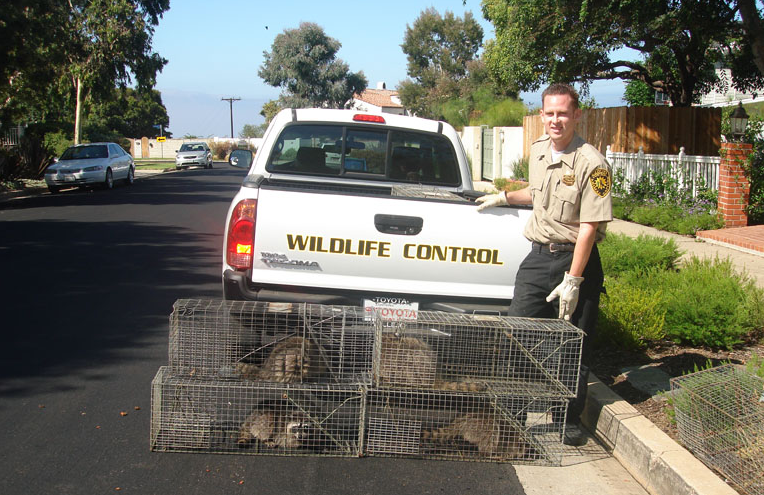
Understanding the Process of Dead Animal Removal
Encountering a dead animal in or around your property can be a distressing and unpleasant experience. Beyond the discomfort, it can pose health risks and attract other pests if not dealt with promptly. Understanding the intricacies of dead animal removal can help property owners ensure safety and maintain hygiene in their environment.
The Importance of Timely Removal
Timely removal of deceased animals is crucial for several reasons. It not only prevents the spread of disease but also helps maintain the aesthetics of the property. Here are some key reasons why immediate attention is necessary:
- Health Risks: Dead animals can harbor bacteria and parasites that may lead to diseases such as salmonella and leptospirosis.
- Odor Control: Decomposition releases foul odors that can permeate homes and disrupt daily living.
- Pest Prevention: The carcass can attract other pests such as flies, maggots, and even larger predators.
Common Scenarios Requiring Dead Animal Removal
Dead animal removal is often required in various situations. Understanding these scenarios can help in identifying the need for professional intervention:
- Animals trapped within walls or attics.
- Roadkill near residential properties.
- Deceased pets in backyards.
- Natural deaths in areas with high wildlife activity.
The Removal Process Explained
The process of removing dead animals involves several steps to ensure safe and effective disposal. Here?s what an expert approach typically entails:
Assessment and Location
Professionals begin by assessing the situation to locate the carcass. This can be challenging if the animal has died within walls or other inaccessible areas. Specialized tools and techniques are often employed to pinpoint the exact location of the deceased animal.
Safe and Hygienic Removal
Once located, the animal is carefully removed using appropriate safety gear and equipment. This ensures that there is no direct contact with the carcass, minimizing health risks to humans.
- Use of protective gloves and masks.
- Employing tools such as tongs or grabbers.
- Sealing the carcass in biohazard bags for safe transport.
Sanitation and Decontamination
Post-removal, thorough cleaning and decontamination of the affected area are crucial. This step involves sanitizing the location to eliminate bacteria, parasites, and lingering odors. Effective decontamination prevents the attraction of pests and ensures the area is safe for humans and pets.
Preventive Measures and Follow-Up
After removal, preventive measures are essential to avoid future incidents. Some strategies include:
- Sealing entry points to prevent animals from entering attics or under buildings.
- Regular maintenance and checks of property perimeters.
- Consultation with wildlife professionals for ongoing management strategies.
Professional Expertise and Resources
Engaging professionals for dead animal removal ensures that the process is handled with expertise and efficiency. These experts have access to specialized resources and knowledge, making them well-equipped to deal with even the most challenging situations. For more information on professional services, consider exploring detailed guides on dead animal removal from credible sources.
Understanding and implementing the right strategies can transform the unpleasant experience of encountering a dead animal into a manageable task. Adopting preventive measures and seeking professional assistance when necessary can help maintain a safe and hygienic environment.