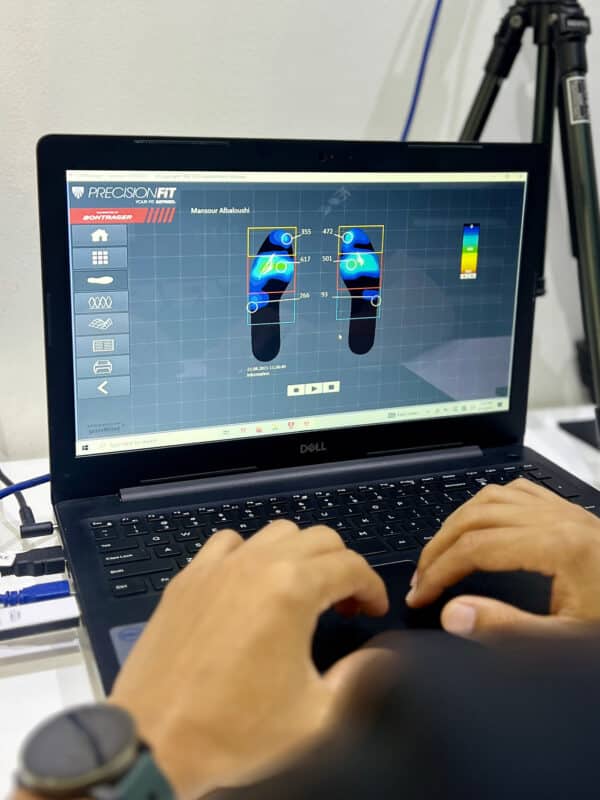
Cycling is not just about owning a high-quality bike; it’s about ensuring that every ride is comfortable, efficient, and enjoyable. A personalized bike fit can dramatically enhance your cycling experience by aligning your bike’s geometry with your unique body structure and riding style. This process not only improves performance but also reduces the risk of injury, making it an essential consideration for both casual riders and professional cyclists.
Understanding the Importance of Bike Fit
A proper bike fit is crucial for maximizing your cycling efficiency and comfort. It involves adjusting various components of the bike to match the rider?s body dimensions and riding preferences. By optimizing the fit, riders can achieve a more aerodynamic position, leading to improved speed and stamina on the road.
Key Benefits of a Tailored Bike Fit
- Enhanced Comfort: Tailoring the bike fit reduces pressure points and discomfort, allowing for longer and more enjoyable rides.
- Injury Prevention: Proper alignment of the bike components minimizes the risk of strain and injuries, particularly to the knees, back, and neck.
- Improved Performance: A well-fitted bike ensures efficient power transfer and optimal use of muscles, enhancing overall performance.
- Increased Confidence: With a tailored fit, riders can focus more on the ride and less on adjusting their position, boosting confidence.
Elements of a Professional Bike Fit
A comprehensive bike fit involves several adjustments that cater to the rider’s specific needs. Key elements include:
Saddle Adjustment
The saddle height, angle, and position are crucial for maintaining a proper posture and ensuring efficient pedaling. Adjustments can help distribute weight evenly and reduce the risk of saddle sores.
Handlebar Setup
Handlebar height and reach are adjusted to suit the rider’s flexibility and riding style, promoting a relaxed upper body and reducing strain on the shoulders and wrists.
Cleat Positioning
Proper cleat placement on cycling shoes is essential for effective power transfer and minimizing knee strain. Adjustments can optimize pedal stroke efficiency.
Bike Geometry
The overall geometry of the bike, including frame size and wheelbase, is considered to ensure a harmonious fit with the rider?s body.
Steps to Achieving the Perfect Fit
Achieving an ideal bike fit is a multi-step process that involves both static measurements and dynamic assessments. It’s important to consult with experienced professionals who can provide tailored solutions based on detailed analysis.
Discover expert strategies here.
Initial Assessment
The process begins with a thorough assessment of the rider’s body dimensions, flexibility, and any existing injuries or limitations.
Dynamic Fitting
Riders are observed in motion to assess their natural riding style and make necessary adjustments to enhance comfort and performance.
Fine-Tuning
After initial adjustments, further fine-tuning is done to perfect the fit. This may include tweaking saddle position, handlebar height, or cleat alignment. Learn about our tailored solutions.
Conclusion
Bike fitting is an art and science that significantly impacts the cycling experience. With the right adjustments, riders can enjoy improved comfort, reduced risk of injury, and enhanced performance. For those looking to elevate their riding experience, exploring professional bike fitting services can be a game-changer. Explore advanced guides and tips to understand more about this transformative process and take the first step towards a more personalized cycling journey.