In the realm of early childhood education, enhancing critical thinking skills is paramount for nurturing well-rounded individuals. As the foundation of future learning, the early years are crucial for instilling the ability to analyze, evaluate, and synthesize information. This article delves into the significance of critical thinking in young learners and explores strategies to cultivate these skills effectively. By understanding and implementing these strategies, educators can foster an environment that promotes cognitive development and prepares children for lifelong learning.
Understanding Critical Thinking in Early Childhood
Critical thinking involves the process of actively analyzing, interpreting, and evaluating information to form a reasoned judgment. In early childhood, developing these skills can significantly impact a child’s ability to solve problems, make decisions, and understand complex concepts. Encouraging critical thinking from a young age ensures that children are equipped with the tools needed to navigate an increasingly complex world.
The Importance of Critical Thinking Skills
- Enhances problem-solving abilities, allowing children to tackle challenges independently.
- Promotes creativity by encouraging children to think outside the box.
- Improves communication skills through the expression of thoughts and ideas.
- Fosters resilience and adaptability in facing new situations.
- Encourages a lifelong love of learning and intellectual curiosity.
To gain a deeper understanding of the importance of these skills in early childhood education, discover expert strategies here.
Strategies to Enhance Critical Thinking
There are several effective strategies educators can employ to enhance critical thinking skills in young learners. These methods not only engage children but also encourage them to explore and question the world around them.
Interactive Learning Environments
Creating interactive and stimulating learning environments is crucial for nurturing critical thinking. Educators can set up activities that challenge students to think critically and solve problems collaboratively. For example:
- Incorporating puzzles and brainteasers into daily activities.
- Facilitating group discussions and debates on age-appropriate topics.
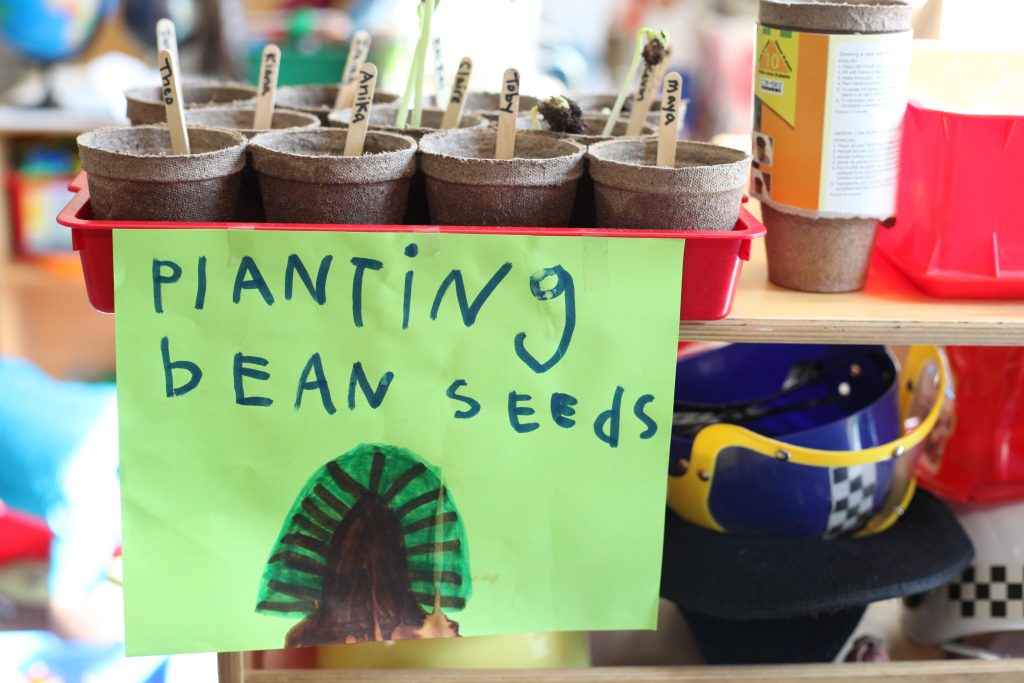
- Providing opportunities for hands-on learning experiences.
For more on how to design such environments, learn about our tailored solutions.
Encouraging Inquiry and Curiosity
Fostering an inquisitive mindset is essential for critical thinking. Encouraging children to ask questions and explore answers helps them develop analytical skills. Key strategies include:
- Asking open-ended questions that stimulate thought and discussion.
- Encouraging children to hypothesize and test their ideas.
- Providing resources for independent exploration and research.
To delve further into nurturing inquiry-based learning, explore advanced guides and tips.
Modeling Critical Thinking
Educators play a vital role in modeling critical thinking behaviors. By demonstrating how to approach problems and think critically, teachers can inspire students to adopt similar strategies. This includes:
- Sharing thought processes and reasoning during problem-solving activities.
- Encouraging students to reflect on their learning experiences.
- Promoting a growth mindset by valuing effort and persistence.
To find out more about this approach, find out more about this approach.
Conclusion
Enhancing critical thinking in early childhood education is an investment in the future. By implementing strategies that promote inquiry, creativity, and problem-solving, educators can cultivate a generation of thinkers equipped to face the challenges of tomorrow. The journey toward developing critical thinkers begins with a commitment to providing engaging and meaningful learning experiences. For educators seeking to enhance their understanding and application of critical thinking strategies, further exploration of these educational resources is highly recommended.