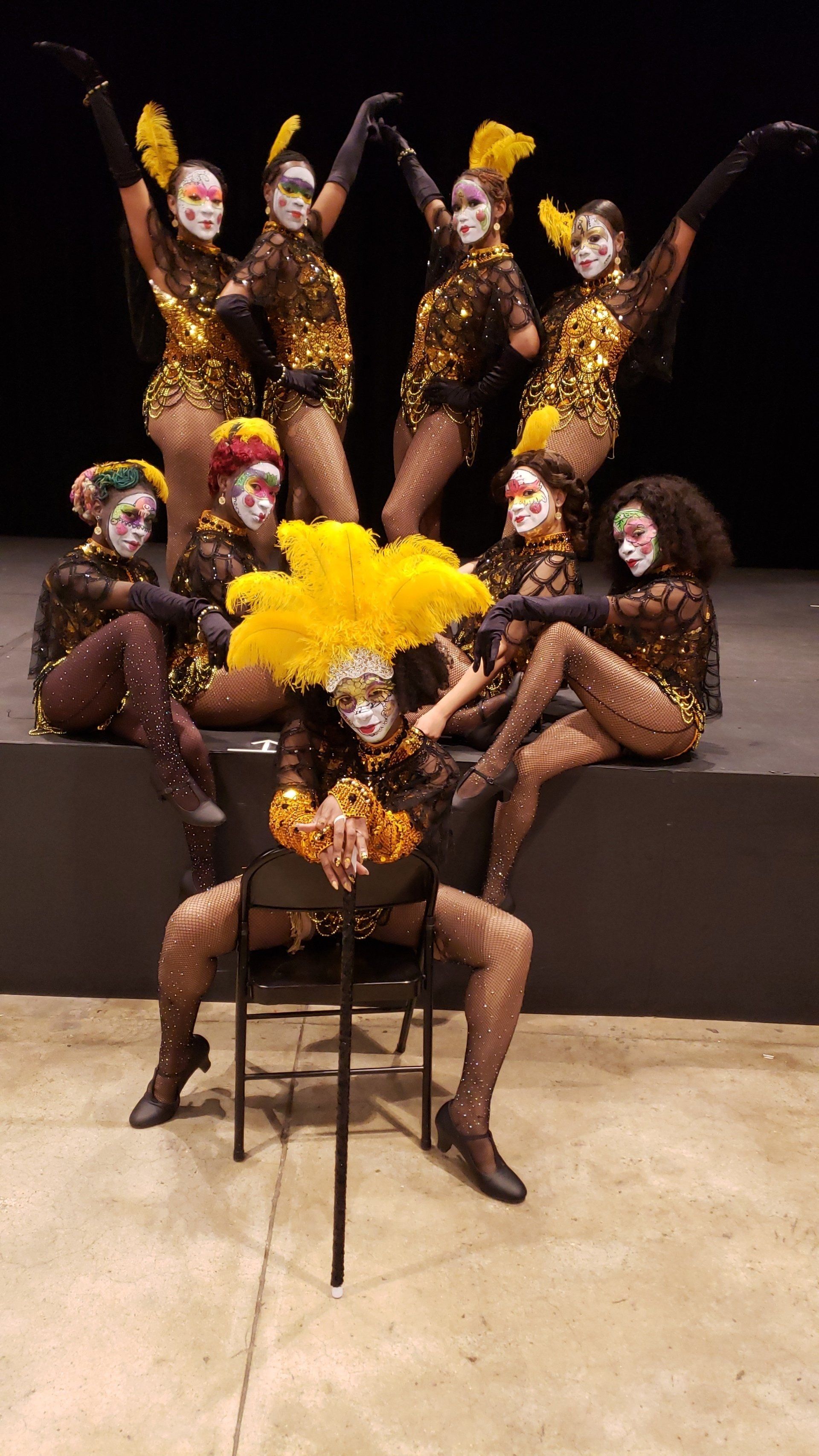
The vibrant city of New Orleans is renowned for its rich cultural tapestry, where music, dance, and tradition collide to create a unique blend of festivities. Among the many captivating traditions is the storied legacy of the New Orleans Baby Doll Ladies. This unique cultural phenomenon, characterized by its colorful costumes and dynamic performances, has become an integral part of the city’s Mardi Gras celebrations. The Baby Doll tradition, with roots stretching back to the early 20th century, provides a vivid illustration of African American cultural expression and resilience.
Historical Origins of the Baby Doll Tradition
The Baby Doll tradition began in the early 1900s as a form of resistance and empowerment for African American women in New Orleans. During an era when racial segregation and societal restrictions were prevalent, these women adopted the Baby Doll persona to assert their identity and autonomy.
Key elements of the tradition include:
- Elaborate costumes often featuring satin dresses, bonnets, and stockings.
- The use of baby dolls as props, symbolizing innocence juxtaposed with the women?s assertive presence.
- Participation in street parades, particularly during Mardi Gras, showcasing spirited dance routines.
Find out more about this approach and how it has evolved over the decades.
Significance in Contemporary Culture
Today, the Baby Doll Ladies are more than just a nostalgic nod to the past; they are a living, breathing embodiment of New Orleans’ vibrant culture. Their presence in modern celebrations underscores their enduring relevance and the continued importance of cultural traditions in fostering community identity.
Modern Baby Doll troupes often blend traditional elements with contemporary themes, ensuring the tradition remains dynamic and inclusive. This cultural evolution is key to the tradition’s longevity and growth.
Discover expert strategies here to engage with and support these cultural expressions.
Role in the Mardi Gras Festivities
The Baby Doll Ladies play a pivotal role in the Mardi Gras festivities, adding a layer of cultural depth and historical context to the celebrations. Their parades are not only about entertainment but also serve as a medium for cultural storytelling.
Highlights of their involvement include:
- Participation in traditional parades, where they captivate audiences with their vibrant attire and energetic performances.
- Hosting workshops and cultural events to educate the public about the history and significance of the Baby Doll tradition.
- Collaborating with local artists and musicians to create a rich tapestry of cultural heritage.
Explore advanced guides and tips on how to experience these events firsthand.
Preservation and Evolution
Efforts to preserve the Baby Doll tradition are crucial to maintaining its cultural significance. Organizations and community leaders are dedicated to ensuring that future generations understand and appreciate this rich heritage.
Preservation initiatives often focus on:
- Documenting the history and personal stories of the original Baby Doll Ladies.
- Incorporating educational programs in schools and community centers.
- Encouraging young women to participate in the tradition, fostering a sense of pride and connection to their cultural roots.
Learn about our tailored solutions to support these efforts and keep the tradition thriving.