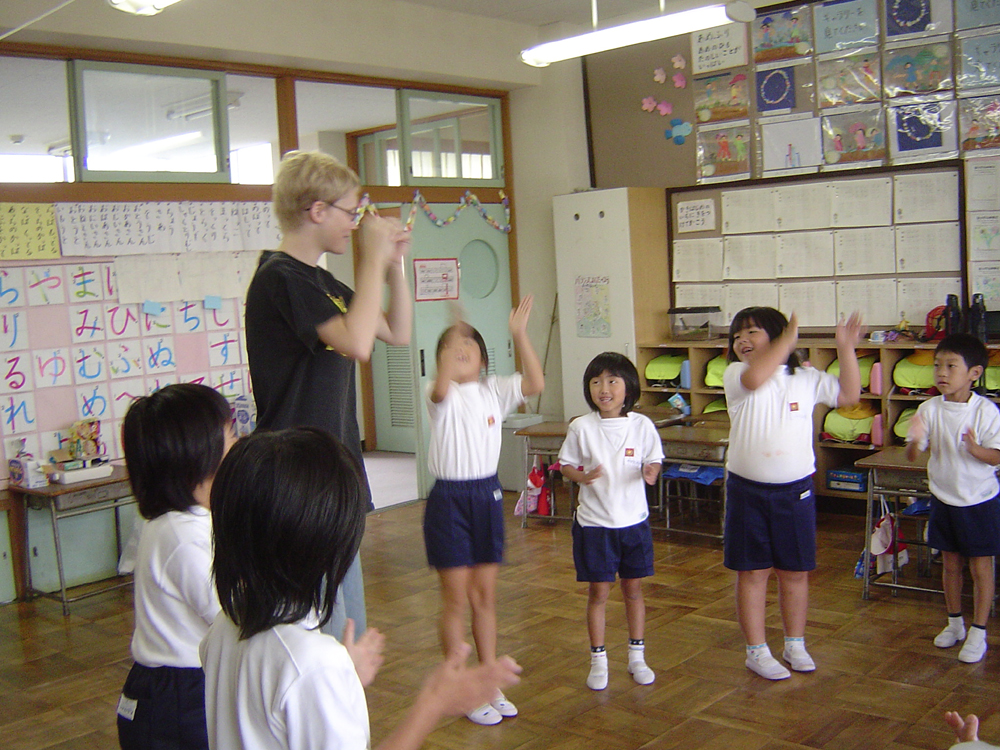
In Japan, elementary education is highly esteemed, with a particular emphasis on kindergarten as a foundational stage. This stage sets the tone for a child’s academic journey, offering a unique blend of play-based learning and structured educational activities. The approach ensures children gain essential social, emotional, and cognitive skills. Understanding how kindergarten in Japan operates provides valuable insights into the broader educational framework used across the country. This article delves into the distinct characteristics of Japanese kindergarten education, exploring its pedagogical approaches and its role in shaping young minds.
The Role of Kindergarten in the Japanese Education System
Kindergarten education in Japan typically caters to children aged three to six and is considered a critical phase in a child’s development. It is not merely a preparation for formal schooling but an integral part of the learning environment in the classroom. The curriculum is designed to foster a wide range of skills:
- Social Interaction: Encouraging children to work in groups and develop friendships.
- Emotional Development: Teaching children to express their feelings and understand others’ emotions.
- Physical Education: Activities are designed to enhance motor skills and promote physical health.
- Cognitive Skills: Introducing basic concepts of mathematics, language, and science through playful methods.
Pedagogical Approaches in Japanese Kindergartens
The pedagogical methods employed in Japanese kindergartens are innovative and child-centered, focusing on experiential learning. Key approaches include:
- Play-Based Learning: Incorporating play as a central element in teaching, allowing children to explore and learn naturally.
- Structured Activities: Introducing routine activities that help children understand the concepts of time, order, and responsibility.
- Cultural Education: Instilling a sense of cultural identity through traditional songs, stories, and festivals.
These methods ensure that children are well-prepared for the transition to kindergarten elementary levels, where academic expectations increase.
Importance of Music and Arts in Kindergarten
Music and arts play a significant role in Japanese kindergartens, often guided by a dedicated elementary music teacher. These subjects help in:
- Enhancing Creativity: Encouraging children to express themselves through different art forms.
- Improving Concentration: Music and arts require focus and discipline, which are crucial for academic success.
- Building Confidence: Performing in front of peers helps children gain self-assurance.
The Transition to Elementary Education
The transition from kindergarten to elementary school is made smoother by the foundational skills acquired during the early years. Schools like minato elementary school ensure that children continue to thrive academically and socially. The curriculum in elementary in japan builds on the skills developed in kindergarten, with increased focus on academic subjects alongside continued social and emotional development.
Conclusion
Kindergarten education in Japan is a well-rounded approach designed to nurture all aspects of a child’s development. By integrating play, structured activities, and cultural elements, Japanese kindergartens lay a solid foundation that supports lifelong learning and personal growth. This comprehensive educational strategy not only prepares children for the academic challenges ahead but also instills values and skills that are essential for their overall development.