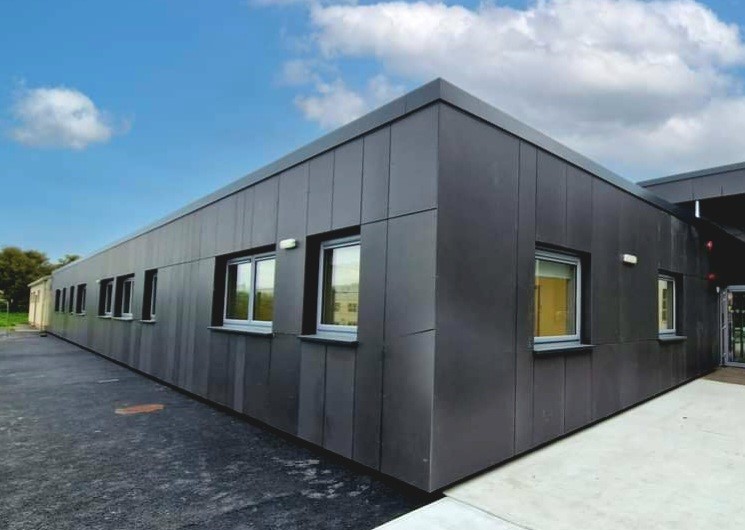
In the ever-evolving construction industry, efficiency and speed are paramount. Offsite construction, an innovative approach, presents a solution that not only saves time but also ensures consistent quality. By fabricating components in a controlled environment and assembling them on-site, this method addresses many traditional construction challenges. As the demand for sustainable and rapid construction rises, understanding the nuances of offsite construction becomes critical. This article delves into the mechanisms, benefits, and considerations of adopting this modern construction technique.
Understanding Offsite Construction
Offsite construction involves the planning, designing, fabricating, transporting, and assembling of building elements at a location other than their final installation site. This method is often synonymous with modular construction, where modules or sections are built in a factory setting and then transported to the site for installation.
Key Benefits
- **Enhanced Efficiency**: By constructing elements in a controlled setting, projects face fewer delays caused by weather or unpredictable site conditions.
- **Quality Control**: Factory conditions allow for consistent quality checks, ensuring each component meets rigorous standards.
- **Reduced Waste**: Precise fabrication reduces material wastage, promoting sustainable building practices.
- **Cost Savings**: With fewer delays and reduced labor costs, offsite construction can be more economical than traditional methods.
For those keen to delve deeper into the specifics of offsite construction, discover expert strategies here.
Applications and Versatility
Offsite construction isn’t limited to a specific type of building. It finds applications across a wide range of structures, from residential homes to large commercial facilities. The versatility of this method is one of its standout features, making it a preferred choice for various projects.
Common Applications
- **Residential Buildings**: From single-family homes to apartment complexes, offsite construction offers a swift and reliable building solution.
- **Commercial Buildings**: Offices, retail spaces, and other commercial facilities benefit from the speed and consistency of offsite methods.
- **Healthcare Facilities**: The precision and quality control inherent in offsite construction are ideal for the stringent requirements of healthcare buildings.
To further understand how these applications can be customized, learn about our tailored solutions.
Considerations for Implementation
While offsite construction offers numerous benefits, certain considerations must be taken into account to ensure its successful implementation. Factors such as logistical planning, site preparation, and collaboration between the factory and on-site teams are crucial.
Key Considerations
- **Logistics**: Efficient transportation of modules from the factory to the site requires meticulous planning.
- **Site Preparation**: The site must be adequately prepared to receive and assemble the prefabricated components.
- **Integration with Traditional Methods**: In some projects, a hybrid approach may be necessary, blending offsite and traditional methods.
For comprehensive guidance on implementing these strategies, explore advanced guides and tips.
The Future of Offsite Construction
The construction industry is poised for transformation, with offsite construction playing a pivotal role. As technology advances, this method will likely become even more refined, offering new possibilities for efficiency and innovation.
To stay updated on the latest trends and advancements in offsite construction, find out more about this approach.