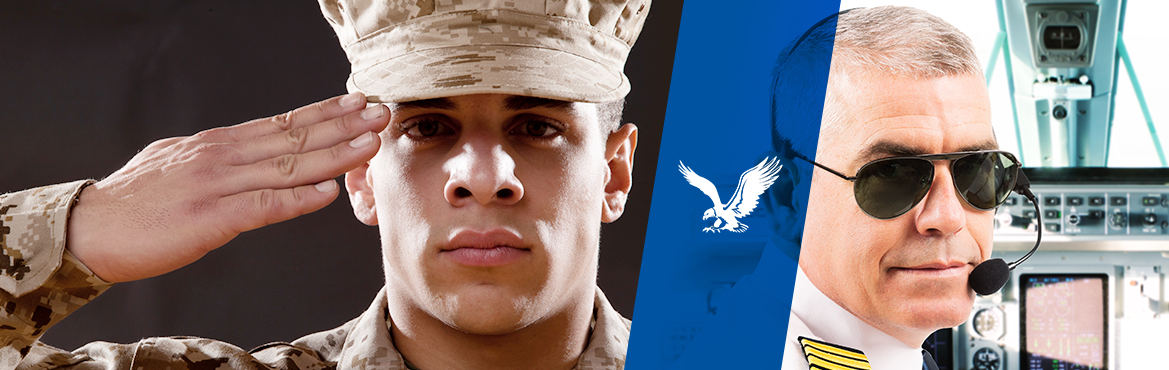
Transitioning from a military career to a civilian role as an Airline Transport Pilot (ATP) is a journey that requires strategic planning and targeted training. This guide provides essential insights into the processes and preparations necessary for success in this demanding yet rewarding field. By understanding the unique challenges and opportunities presented in this transition, candidates can effectively leverage their military experience to excel in the ATP environment.
Understanding the Transition
The shift from military aviation to civilian aviation involves several key differences, ranging from regulatory standards to operational procedures. Here?s what to consider:
- Regulatory Requirements: Civilian aviation operates under the Federal Aviation Administration (FAA) regulations, which may differ significantly from military protocols.
- Cultural Shift: Transitioning to a corporate culture requires adaptability and an understanding of civilian aviation dynamics.
- Skill Transfer: Many military skills are directly transferrable, but it’s crucial to identify and bridge any gaps.
For a comprehensive understanding of these differences and how to address them, learn about our tailored solutions.
Key Components of ATP Training
Theoretical Knowledge
Strong theoretical knowledge forms the foundation of successful ATP training. Key areas include:
- Aerodynamics: Understanding the principles of flight and aircraft performance is critical.
- Navigation: Proficiency in navigation systems and chart reading is essential for accurate flight planning.
- Regulations: Familiarity with FAA regulations and operational standards is mandatory.
Explore advanced guides and tips to deepen your theoretical knowledge here.
Practical Skills
Developing practical skills is equally important in ATP training. Consider focusing on:
- Flight Maneuvers: Mastery of advanced flight maneuvers ensures safety and efficiency.
- Simulator Training: Simulators offer a risk-free environment to practice emergency procedures and complex scenarios.
- Communication: Effective communication with air traffic control and crew members is vital.
Discover expert strategies here to enhance practical skills.
Benefits of Military Experience
Military veterans bring unique advantages to the ATP training process, including:
- Discipline and Focus: The disciplined approach learned in the military is invaluable in aviation training.
- Leadership and Teamwork: Experience in leadership roles and teamwork translates well to flight crew environments.
- Problem-Solving Skills: Military training emphasizes quick thinking and effective problem-solving under pressure.
Find out more about this approach and how to capitalize on these strengths here.
Conclusion
Preparing for a successful transition from military to ATP roles involves understanding the nuances of civilian aviation, building on existing skills, and acquiring new competencies. By leveraging targeted training programs and resources, military veterans can smoothly navigate this transition and achieve their career goals. For further information and a structured training path, explore this resource.