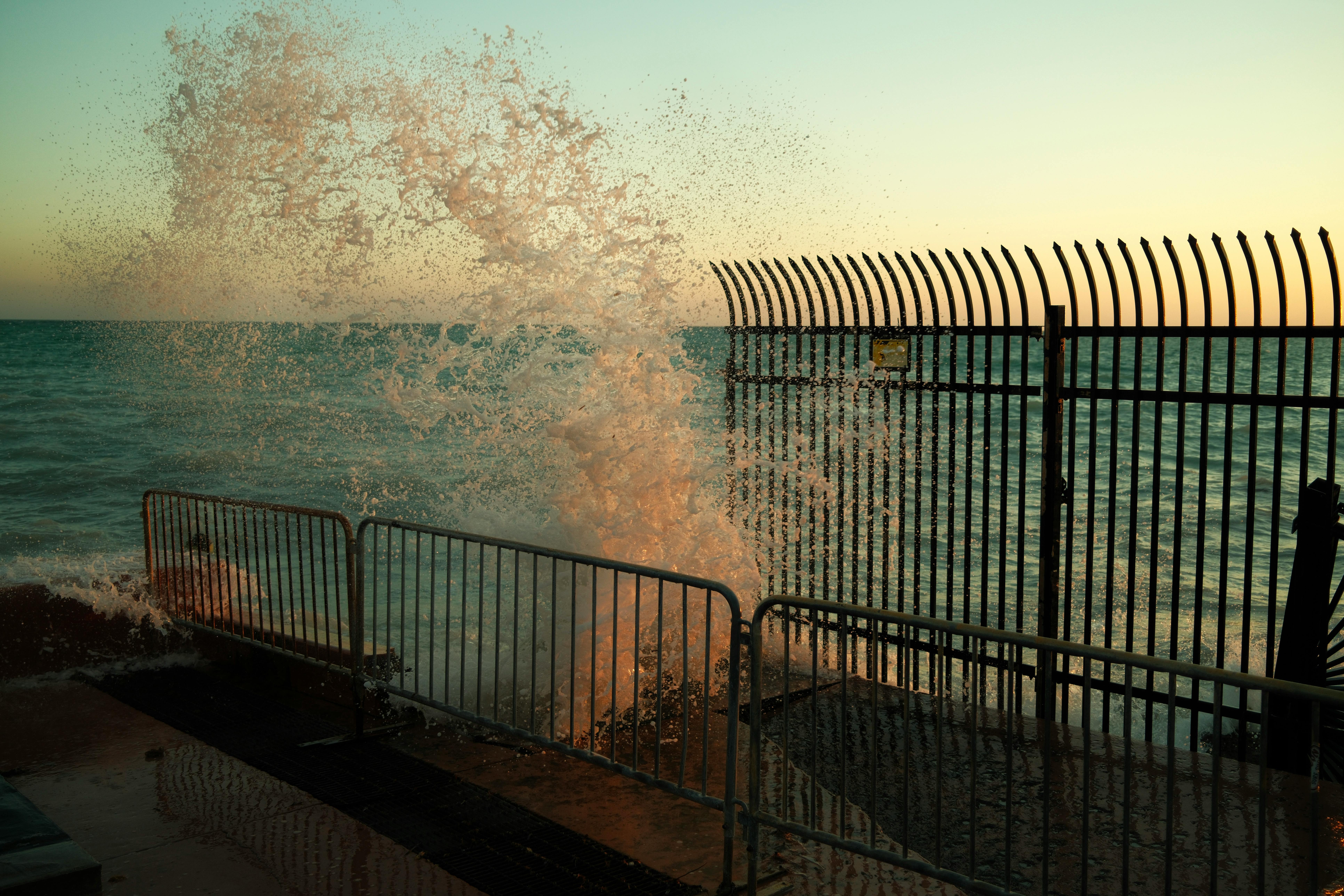
Shorelines are among the most dynamic and fragile ecosystems, constantly reshaped by natural forces such as tides, waves, and currents. The increasing frequency of severe weather events and rising sea levels due to climate change have heightened the need for effective shoreline protection strategies. Saltwater barriers, also known as seawalls or coastal barriers, are a pivotal solution in mitigating shoreline erosion and protecting coastal infrastructure. This article delves into various saltwater barrier solutions and their effectiveness in preserving shoreline integrity.
Understanding Saltwater Barriers
Saltwater barriers are structures designed to prevent or reduce the impact of oceanic forces on the coastlines. They serve to protect landward areas from flooding and erosion, ensuring the safety of both natural habitats and human-built environments. These barriers can vary greatly in design and material, each suited to specific environmental conditions and protection needs.
Types of Saltwater Barriers
Saltwater barriers can be categorized into several types, each offering unique advantages:
- Seawalls: Vertical or near-vertical structures built parallel to the coast to deflect wave energy.
- Breakwaters: Offshore structures that reduce wave energy and calm the water in their lee.
- Revetments: Sloped structures placed on banks or cliffs made from rock, concrete, or other materials to absorb wave energy.
- Groynes: Structures built perpendicular to the shoreline to trap sand and reduce erosion.
Advantages of Saltwater Barriers
Implementing saltwater barriers offers numerous benefits, which include:
- Protection of coastal properties and infrastructure from flooding and erosion.
- Preservation of natural habitats by stabilizing the shoreline.
- Enhancement of coastal resilience against climate change impacts.
- Potential for recreational and aesthetic improvements in coastal areas.
For a comprehensive understanding of these benefits, explore further insights here.
Challenges and Considerations
While saltwater barriers offer substantial protection, their implementation must be carefully planned to address potential challenges:
- Environmental Impact: Barriers can disrupt natural processes and ecosystems if not properly designed.
- Cost: The construction and maintenance of these structures can be expensive.
- Longevity: Barriers require regular maintenance to ensure their effectiveness over time.
- Adaptability: As oceanic conditions change, barriers may need to be modified or enhanced.
For more information on addressing these challenges, learn more in this detailed guide.
Innovative Approaches to Saltwater Barrier Design
Recent advancements in technology and engineering have led to innovative barrier designs that enhance coastal protection. These include:
- Hybrid Barriers: Combining traditional structures with natural elements like mangroves or dune systems.
- Eco-friendly Materials: Utilizing sustainable materials that minimize environmental impact.
- Adaptive Structures: Designing barriers that can be adjusted as sea levels rise.
Read more about this topic to discover how these innovations are shaping the future of shoreline protection.
Conclusion
Saltwater barriers are a vital component of comprehensive coastal management strategies, offering robust protection against erosion and flooding. The effectiveness of these solutions lies in the careful selection and design of barrier types, tailored to the specific needs of each coastal area. As environmental challenges continue to evolve, so too must the approaches to shoreline protection. By integrating traditional engineering with innovative solutions, it is possible to safeguard our coastlines for future generations. Find additional information here to further explore the intricacies of saltwater barrier solutions.