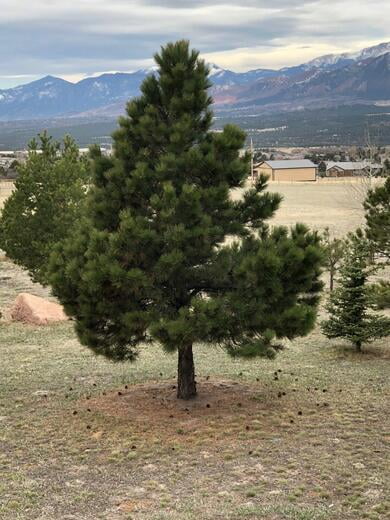
In today?s environmentally conscious society, sustainable practices in landscaping are becoming increasingly important. One of the key aspects of eco-friendly landscaping is sustainable tree relocation. This practice allows for the preservation of mature trees during construction or development projects, ensuring that these vital components of the ecosystem are not lost. By relocating trees rather than removing them, significant environmental benefits can be achieved, including the reduction of carbon footprints and the enhancement of biodiversity. This article explores the methods and benefits of sustainable tree relocation, highlighting its importance in modern landscaping.
The Importance of Tree Relocation
Tree relocation plays a crucial role in maintaining ecological balance. Mature trees contribute to:
- Air purification by absorbing pollutants and releasing oxygen.
- Soil stabilization, preventing erosion and promoting healthy landscapes.
- Providing habitats for various species, thus supporting biodiversity.
- Mitigating urban heat through shade and transpiration, cooling the surrounding environment.
These benefits underscore the importance of preserving trees during urban development. Rather than cutting down trees, relocating them can ensure these natural assets continue to thrive in new locations.
Methods of Tree Relocation
There are several methodologies employed in tree relocation, each suitable for different scenarios. Here are some common methods:
Tree Spading
Tree spading involves using a specialized machine that digs around the tree, lifting it along with its root ball. This method is ideal for moving larger trees efficiently. Learn more in this detailed guide about the equipment and processes involved.
Hand Digging
For smaller trees or in areas where machinery cannot easily access, hand digging is a practical option. This method requires skilled labor to carefully excavate the tree and its root system. Explore further insights here on hand digging techniques and best practices.
Bare-Root Transplanting
This method involves removing the soil from the tree?s roots before relocation. It is typically used for young trees during their dormant season. Proper handling is essential to prevent root damage. Find additional information here about the circumstances in which this method is most effective.
Benefits of Sustainable Tree Relocation
Relocating trees rather than removing them offers numerous advantages, such as:
- Preserving the ecological integrity of the area by maintaining existing greenery.
- Enhancing the aesthetic appeal of new developments with mature trees that provide immediate landscape value.
- Contributing to a decrease in urban heat islands, helping combat climate change.
- Saving costs associated with purchasing and planting new trees.
By prioritizing tree relocation, developers and landscapers can significantly contribute to sustainability efforts and environmental conservation. Read more about this topic to understand how these practices can be integrated into landscaping projects.
Challenges and Considerations
While tree relocation offers many benefits, it also presents challenges that must be addressed to ensure successful outcomes:
- Assessing the viability of relocation, as not all trees are suitable candidates.
- Ensuring proper site preparation to accommodate the relocated trees.
- Managing the risks of transplant shock, which can affect the tree?s health if not mitigated.
- Securing the necessary permits and adhering to local regulations regarding tree relocation.
Considering these factors is essential for a successful tree relocation project. It requires careful planning, expertise, and the right equipment to ensure the trees can continue to thrive in their new environment.
Conclusion
Sustainable tree relocation is a vital practice for eco-friendly landscaping, offering a way to preserve natural landscapes while accommodating human development needs. By understanding the methods, benefits, and challenges associated with tree relocation, stakeholders can make informed decisions that support environmental sustainability. This practice not only contributes to ecological preservation but also enhances the quality and appeal of landscapes. For more detailed information on sustainable tree relocation, explore further insights here.