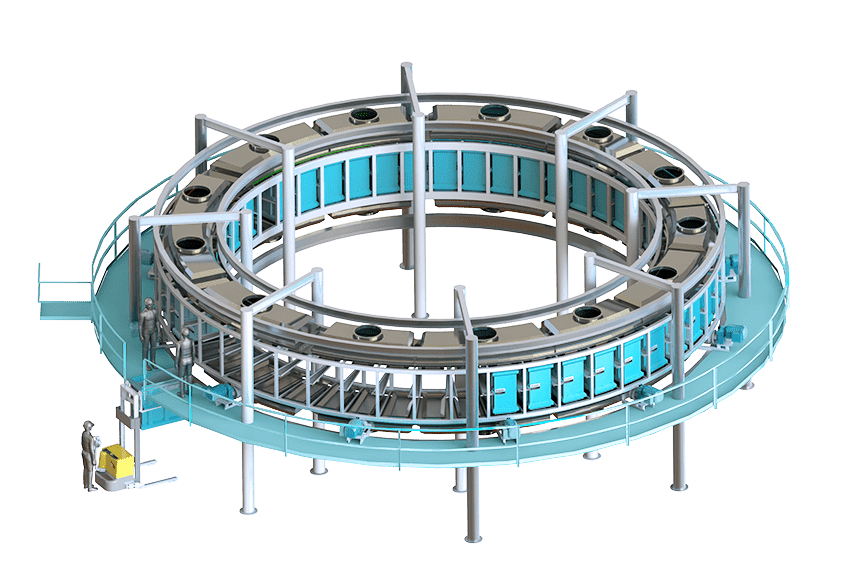
In the face of escalating climate change, innovative solutions for carbon dioxide capture are at the forefront of scientific research and industrial application. With carbon emissions being a primary contributor to global warming, capturing carbon dioxide has become essential to achieving climate goals. A myriad of technological solutions has been developed, each with unique advantages and challenges. Understanding these processes not only aids in addressing environmental concerns but also opens avenues for sustainable development and energy efficiency.
Understanding Carbon Dioxide Capture
Carbon dioxide capture refers to the process of trapping CO2 emissions before they are released into the atmosphere. This process is pivotal in reducing the carbon footprint of industrial activities and energy production. There are three primary methods of carbon capture:
- Pre-combustion capture: Involves removing CO2 from fuels before combustion. Typically used in integrated gasification combined cycle plants.
- Post-combustion capture: In this method, CO2 is captured after fossil fuels are burned. Commonly used in power plants and involves the use of solvents.
- Oxy-fuel combustion: Burns fossil fuels in pure oxygen, resulting in a flue gas that is primarily CO2 and water, making it easier to capture the CO2.
To delve deeper into these methods, discover expert strategies here.
Innovative Solutions in Carbon Capture Technology
Adsorption-Based Techniques
Adsorption technology is gaining traction due to its efficiency and cost-effectiveness. It involves capturing CO2 using solid materials known as adsorbents. These materials are highly selective and can be regenerated, making them sustainable options for long-term use. Notable advancements include:
- Metal-organic frameworks (MOFs): These are crystalline materials with high surface areas, allowing for efficient CO2 capture.
- Zeolites: Microporous minerals that have shown promise in trapping gases.
- Activated carbon: Known for its high absorption capacity and cost-effectiveness.
For a comprehensive understanding of these techniques, find out more about this approach.
Membrane Technology
Membrane technology offers an energy-efficient method for separating CO2 from gas mixtures. This technology involves the use of semi-permeable membranes to selectively filter out CO2. Key benefits include:
- Reduced energy consumption compared to traditional methods.
- Scalability and adaptability to various industrial applications.
- Potential for integration with existing systems.
To explore advanced guides and tips on implementing membrane technology, learn about tailored solutions.
The Future of Carbon Capture
As carbon capture technology continues to evolve, its role in mitigating climate change becomes increasingly significant. Future advancements are likely to focus on:
- Enhancing the efficiency and selectivity of capture materials.
- Reducing the overall cost of capture processes.
- Integrating renewable energy sources to power capture technologies.
These advancements will not only bolster efforts to reduce atmospheric CO2 but also pave the way for carbon utilization in creating sustainable products. To stay informed about the latest developments, explore advanced guides and tips.
In conclusion, the journey to effectively capturing carbon dioxide is both a challenge and an opportunity. By harnessing innovative technologies and refining existing methods, the potential to significantly reduce carbon emissions and combat climate change becomes increasingly attainable.